Best Hiking Shoes for Women: How to Find Your Perfect Pair
Fit, cushioning, waterproofing and traction all matter. This guide explains the types of women's hiking shoes, what to look for, and how to get a fit that prevents blisters.
Updated November 27, 2026 · 3 min read
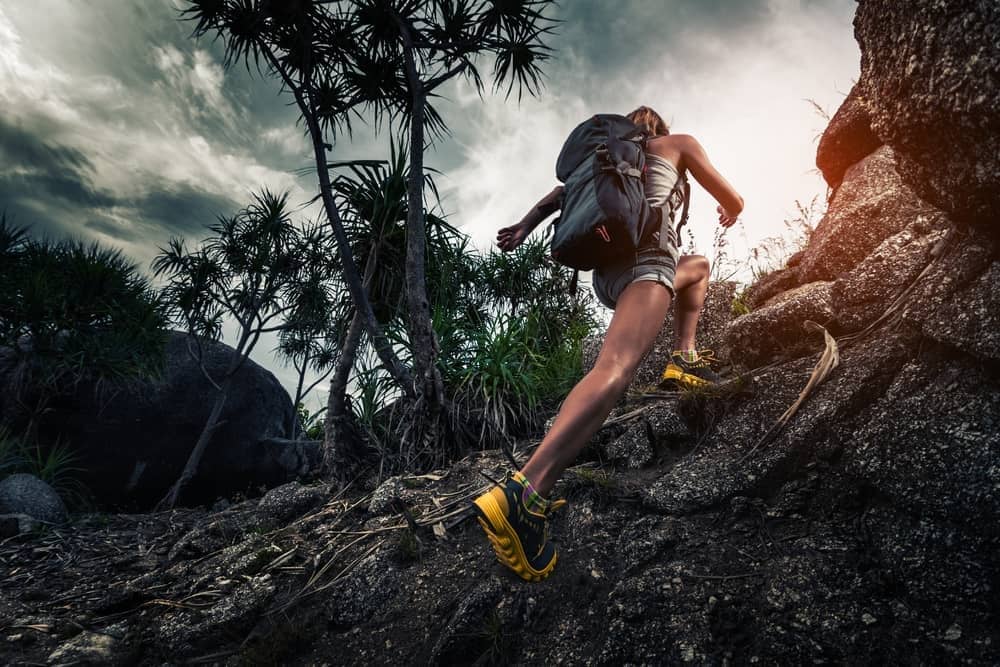
The right pair of hiking shoes can be the difference between a great day on the trail and a painful limp back to the car. Women's hiking shoes are built on lasts shaped for a typically narrower heel and lower-volume foot, but fit is personal. Here's how to choose.
Types of hiking footwear
Trail runners
Light, flexible and quick to dry. Many hikers now use them for everything from day hikes to long-distance trails. Popular women's options include the Altra Lone Peak (wide toe box, zero drop), Hoka Speedgoat and Challenger, Saucony Peregrine and Topo Athletic Ultraventure.
- Best for: well-maintained trails, warm weather, fast hiking
- Trade-off: less support and protection on rocky terrain
Hiking shoes
Low-cut shoes with a stiffer sole and more protection than trail runners. Examples include the Salomon X Ultra, Merrell Moab, Oboz Sawtooth and La Sportiva Spire.
- Best for: day hikes on mixed terrain, lighter backpacking
- Trade-off: heavier than trail runners
Hiking boots
Mid- or high-cut boots with ankle coverage. Danner, Salomon, Merrell and Keen make popular women's boots.
- Best for: heavy loads, rough or snowy terrain, people who like ankle support
- Trade-off: heavier, slower to dry, need a break-in period
Waterproof or not?
Waterproof membranes (often labeled GTX for Gore-Tex) keep feet dry in puddles, dew and light snow. But they also trap heat and sweat, and once water gets in over the top, they dry slowly.
- Choose waterproof for cold, wet, muddy or snowy hiking.
- Choose breathable mesh for hot weather and trails with creek crossings, where quick drying matters more.
Features to compare
| Feature | What to know |
|---|---|
| Fit | Snug heel, no pressure points, a thumb's width of space in front of the longest toe |
| Toe box | Wide toe boxes let toes spread on descents |
| Drop | Heel-to-toe height difference; low or zero drop feels more natural but takes getting used to |
| Cushioning | Max-cushion shoes reduce fatigue on long days |
| Outsole | Deep, multi-directional lugs grip mud and loose rock; sticky rubber helps on slabs |
| Rock plate | A protective layer that stops sharp rocks bruising your feet |
| Weight | Lighter shoes mean less fatigue over many miles |
Fitting tips
- Shop in the afternoon. Feet swell during the day and on the trail.
- Wear your hiking socks when trying shoes on.
- Test on an incline. Your toes shouldn't hit the front going downhill, and your heel shouldn't lift going up.
- Consider half a size up for long hikes, when feet swell.
- Try an insole if you need more arch support.
Lacing tricks
- Heel lock (runner's loop): use the top eyelet to make a loop and thread the laces through to lock the heel and prevent blisters.
- Window lacing: skip an eyelet over a pressure point on the top of your foot.
- Surgeon's knot: keep the lower laces tight and the upper ones looser for downhill comfort.
Caring for your shoes
Rinse off mud after each hike and let shoes air-dry away from direct heat. Remove insoles to dry them separately. Replace trail runners after roughly 300 to 500 miles (500 to 800 km), or sooner if the tread is worn or the cushioning feels flat.
Heading out for a multi-day trip? Pair your new shoes with the right backpacking backpack.
Campers Republic may earn a commission when you buy through links on this site, at no extra cost to you. Learn more.