Car Camping for Beginners: 15 Tips for Your First Trip
Car camping is the easiest way to start sleeping outdoors. These beginner tips cover booking a site, packing the car, setting up camp and staying comfortable.
Updated November 27, 2026 · 3 min read
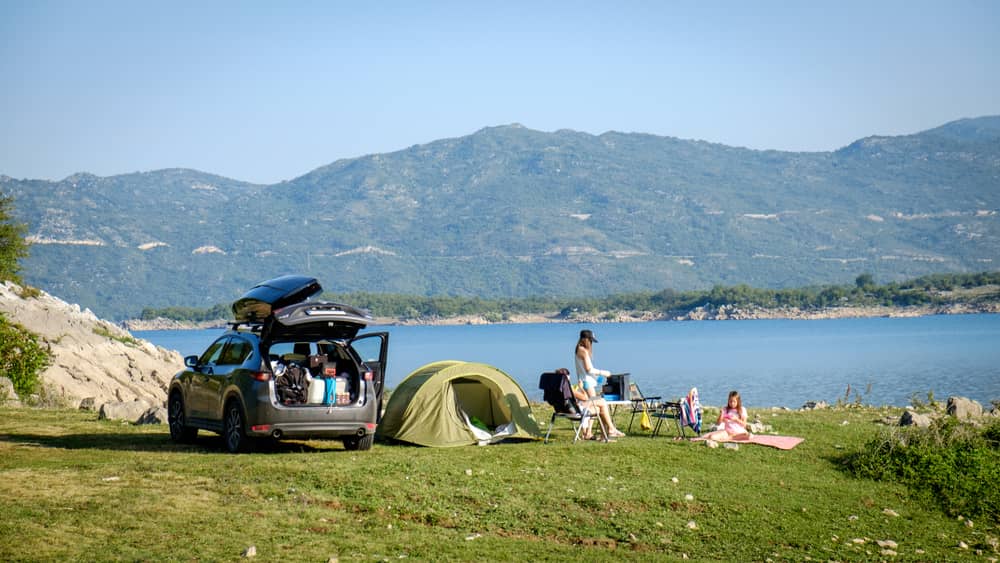
Car camping means driving right up to your campsite. You don't have to carry your gear far, you can bring a real pillow, and if something goes wrong your car is right there. It's the best way to find out how much you enjoy camping before buying a lot of specialized gear.
Planning
1. Start close to home
Choose a campground within a couple of hours' drive. If the weather turns or you forget something important, it's easy to head home.
2. Book a site with facilities
For your first trip, pick a developed campground with toilets, potable water and a picnic table. Look at photos or the campground map and choose a site away from the busy entrance and the toilets.
3. Check the rules
Look up quiet hours, fire rules, pet policies and check-in times. Many campgrounds ban outside firewood to protect forests from pests.
4. Watch the forecast
Plan for the low temperature, not the high. Nights can be much colder than you expect, especially in the mountains or desert.
Gear
5. Borrow or rent before you buy
Friends, outdoor stores and rental services can lend you a tent, pads and a stove. You'll learn what you like.
6. Prioritize sleep
A comfortable night makes or breaks a trip. Bring a thick pad or air mattress, a warm sleeping bag and your pillow from home. Read our camping bed guide to compare options.
7. Use what's already in your kitchen
You don't need special camp cookware at first. A pan, a pot, a spatula and a sharp knife from home will do. The one item you'll need to buy or borrow is a camp stove.
8. Bring more light than you think
Each person needs a headlamp, plus a lantern for the table. It gets dark fast once the sun sets.
Packing the car
9. Use bins
Clear plastic storage bins keep things organized and protect gear from rain. Label them: kitchen, sleep, clothes, extras.
10. Pack the tent last
The tent goes up first, so it should be easy to reach. Keep the cooler accessible too.
11. Keep the essentials up front
A small bag with snacks, water, sunscreen, rain jackets and the campground confirmation should ride in the cabin.
At camp
12. Arrive with daylight to spare
Setting up a tent in the dark for the first time is no fun. Aim to arrive at least two hours before sunset.
13. Set up in the right order
Pick a flat, high spot for the tent. Pitch the tent, then set up sleeping gear inside, then the kitchen. With beds ready, you can relax.
14. Store food properly
Keep food and scented items in your car or in a bear box if the campground has them, never in your tent. Clean up after every meal.
15. Leave no trace
Pack out all trash, use designated fire rings, and leave the site cleaner than you found it.
Sample first-trip kitchen kit
| Item | Notes |
|---|---|
| Two-burner stove and fuel | Bring a spare canister |
| Lighter and matches | Keep in a zip bag |
| Pot and frying pan | From home is fine |
| Plates, bowls, mugs, cutlery | One set per person |
| Cooler and ice | Freeze water bottles to use as ice |
| Water jug | About a gallon per person per day |
| Wash basin, soap and towel | Biodegradable soap |
| Trash bags | Pack it out |
Upgrading later
Once you've done a few trips, it's worth investing in a bigger family tent, a good camp chair and maybe a portable power station. If you discover you love life on the road, take a look at RV living pros and cons.
Campers Republic may earn a commission when you buy through links on this site, at no extra cost to you. Learn more.