Best Family Camping Tents: How to Pick a Tent Everyone Will Love
Capacity ratings, cabin vs dome shapes, weather protection and easy setup: everything to consider when choosing a tent for the whole family.
Updated November 27, 2026 · 2 min read
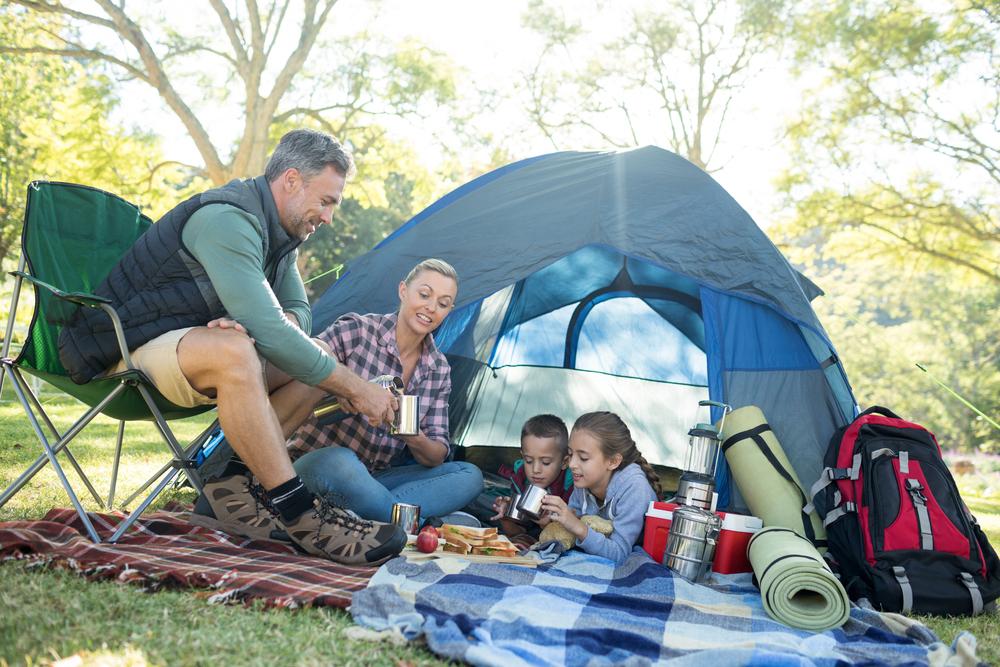
A family tent is your home base for the trip. It has to keep everyone dry, give the kids room to play on a rainy afternoon, and still be quick to pitch when you arrive tired. Here's how to choose one.
Understand capacity ratings
Tent capacity ratings assume adults lying shoulder to shoulder, with no room for gear. A popular rule of thumb is to add one or two people to your family's size:
| Family | Look for |
|---|---|
| 2 adults, 1 small child | 4-person tent |
| 2 adults, 2 kids | 6-person tent |
| 2 adults, 3 to 4 kids | 8-person tent or a tent with room dividers |
Check the floor dimensions too. A queen air mattress is about 60 × 80 inches (152 × 203 cm). Make sure your mattresses or cots actually fit.
Cabin vs dome
Cabin tents have near-vertical walls, so the whole floor is usable and adults can stand up. The Coleman WeatherMaster, Kodiak Canvas Flex-Bow, Eureka Copper Canyon and Core instant cabins are well-known examples. Tall walls catch more wind, so they need good guying out.
Dome tents, such as the Coleman Sundome and many REI, Marmot and Kelty designs, have sloped walls that shed wind and rain well. They're usually lighter and less expensive, with less standing room.
Hybrid and tunnel designs, like the NEMO Wagontop and the MSR Habitude, offer tall walls with better wind shape.
Features worth paying for
- Full-coverage rainfly. Flies that reach the ground keep rain off the walls and stop water splashing in.
- Bathtub floor. The floor fabric curves up the sides by several inches, keeping out surface water.
- Vestibules or a screen room. A sheltered space for muddy boots, wet gear and dining when the bugs are out.
- Ventilation. Large mesh panels and high vents reduce condensation and keep the tent cool.
- Doors. Two doors mean fewer midnight crawls over sleeping kids.
- Room dividers. Useful for privacy or separating a "gear room".
- Pole design. Color-coded poles and clips are easier for first-timers. "Instant" tents with pre-attached poles go up fastest.
Fabric options
- Polyester is the most common: light, affordable and doesn't sag when wet.
- Canvas or poly-cotton (like Kodiak tents) breathes better and stays cooler in summer and warmer in fall, but it's heavy and must be dried thoroughly before storage.
Tips for family tent camping
- Practice pitching at home. Turn it into a backyard campout so the kids know the routine.
- Use a footprint. It protects the floor and makes cleanup easier.
- Guy out every line. Tall family tents rely on them in wind.
- Set up a "shoes off" rule. A mat at the door keeps sand and mud out of sleeping bags.
- Give each child a small bin or bag. Less hunting for socks at bedtime.
Care and storage
Dry your tent completely before packing it away, even if that means pitching it in the backyard at home. Mildew can ruin a tent in a week. Store it loosely in a cool, dry place rather than tightly compressed.
Once the tent is sorted, check the rest of our weekend camping checklist and our car camping tips for beginners.
Campers Republic may earn a commission when you buy through links on this site, at no extra cost to you. Learn more.