Best Trail Bikes: A Beginner's Guide to Choosing a Mountain Bike
Hardtail or full suspension? 27.5 or 29-inch wheels? This guide breaks down trail bike types, components and sizing so you can buy a bike that suits your riding.
Updated November 27, 2026 · 2 min read
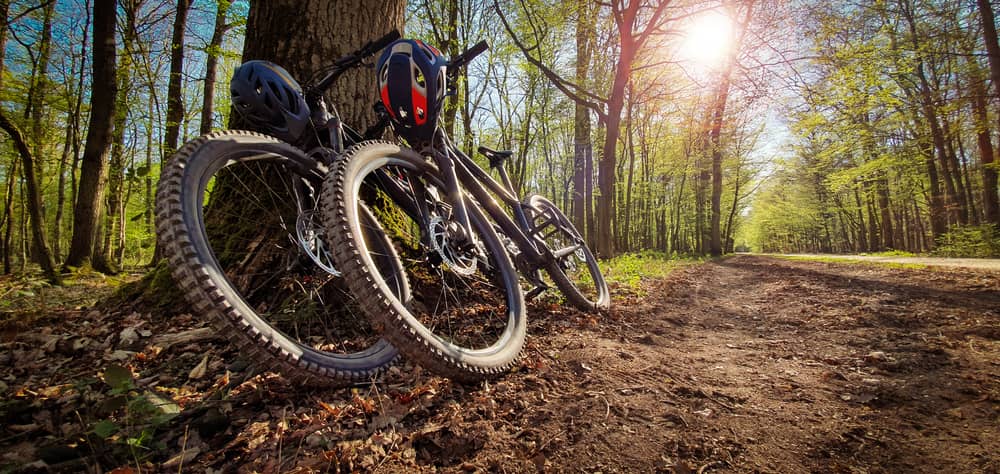
Trail riding combines exercise, adventure and a healthy dose of fun. A trail bike is a mountain bike designed to climb reasonably well and descend confidently on singletrack. If you're new to the sport, here's how to choose one.
Hardtail vs full suspension
Hardtail bikes have a suspension fork at the front and a rigid rear end.
- Lighter, simpler and cheaper
- Less maintenance
- Teach good line choice and handling
- Rougher ride on rocky or rooty descents
Full-suspension bikes have both front and rear suspension.
- More control, comfort and traction on rough terrain
- Heavier and more expensive
- More parts to maintain
For beginners on a budget, a quality hardtail often beats a cheap full-suspension bike.
Wheel size
| Size | Ride feel |
|---|---|
| 29-inch | Rolls over obstacles easily, carries speed, stable |
| 27.5-inch | Playful and quick to turn, often better for smaller riders |
| Mixed ("mullet") | 29 front for rollover, 27.5 rear for agility |
Key components
- Suspension travel. Trail bikes usually have 120 to 150 mm. More travel handles bigger hits but adds weight.
- Brakes. Hydraulic disc brakes offer strong, consistent stopping and are worth prioritizing.
- Drivetrain. Modern 1x (one front chainring) drivetrains are simpler and easier to use than 2x or 3x setups.
- Dropper post. Lowers your saddle with a lever for descents. A big confidence boost.
- Tires. Wider tires with aggressive tread give more grip; tubeless setups reduce flats.
Frame materials
- Aluminum: affordable, stiff and durable, the most common choice
- Carbon fiber: lighter and more expensive
- Steel: smooth ride and very durable, but heavier
Budget bikes and department-store brands
Brands such as Mongoose, Huffy, Royce Union, Gravity, Outroad, Vilano and Tommaso sell affordable mountain-style bikes online and in big stores. They can be fine for paved paths, gravel and easy dirt trails. For regular singletrack riding, look for:
- An air or coil suspension fork with adjustable rebound, not a basic spring fork
- Hydraulic (or at least good mechanical) disc brakes
- A frame sized to you rather than "one size fits most"
If your budget is limited, a used bike from a reputable bike brand, checked by a mechanic, often gives more performance for the money.
Sizing
Bike sizes vary by brand, so check the manufacturer's chart using your height and inseam. Better still, test-ride. A good fit lets you:
- Stand over the top tube with some clearance
- Reach the bars with a slight bend in your elbows
- Extend your leg almost fully at the bottom of the pedal stroke when seated
Essential gear for trail riding
- Helmet (consider a mountain-specific helmet with more rear coverage)
- Gloves and eye protection
- Hydration pack or bottles
- Multi-tool, pump, spare tube or tubeless plugs
- Padded shorts for longer rides
- Flat pedals and grippy shoes for beginners
Riding tips for beginners
- Look ahead to where you want to go, not at obstacles.
- Keep your pedals level and stand up on descents.
- Use both brakes gently and progressively.
- Shift before climbs, not halfway up.
- Start on green-rated trails and work your way up.
Combining biking with camping? Check out our car camping tips to plan a base camp near the trails.
Campers Republic may earn a commission when you buy through links on this site, at no extra cost to you. Learn more.